Unlock the Great Outdoors
Why limit yourself to public land when there is private land to explore.
Vermont is a hunter’s paradise in the heart of New England, offering outstanding hunting for white-tailed deer, black bear, wild turkey, ruffed grouse, and American woodcock in some of the most spectacular forested landscapes in the eastern United States. The Green Mountain State is approximately 78% forested, creating ideal habitat for a wide variety of game and providing hunters with a genuine wilderness experience despite the state’s relatively small size.
The Vermont Fish and Wildlife Department manages hunting across the state’s 6,154 square miles. With over 400,000 acres of state lands open to hunting, plus extensive private timberlands and agricultural areas where hunting access is traditionally granted, Vermont hunters enjoy exceptional access to quality habitat. Vermont’s hunting culture is deeply rooted in the state’s history, and the deer season in particular is a major cultural event, especially for rural Vermont communities.
Vermont’s moose hunting is one of the state’s most coveted hunting opportunities. The state maintains a healthy moose herd, particularly in the Northeast Kingdom region, and a limited number of moose permits are awarded by lottery each year. White-tailed deer hunting is excellent throughout the state, and Vermont’s big hardwood forests and agricultural valleys produce quality bucks for hunters willing to put in the time. Ruffed grouse and woodcock hunting in Vermont’s young aspen and alder habitat is regarded as some of the finest in New England.
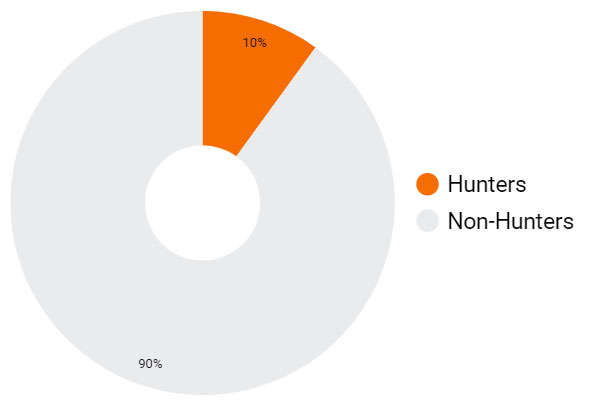
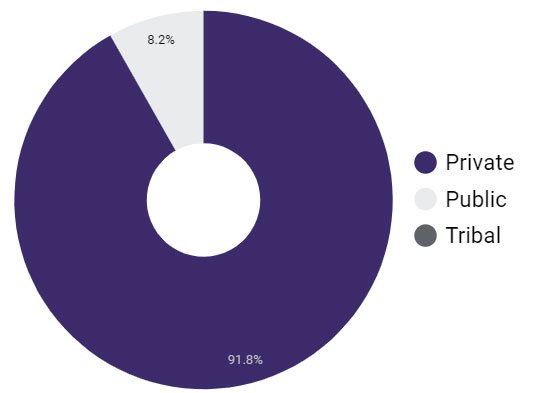
Vermont ranks 42nd among all 50 states for percentage of private land.
For the most accurate information on Vermont Hunting Seasons, along with the state’s requirements for tag and bag limits, it’s a good idea to check with the Vermont DNR. We’ve provided their contact information below, along with links to helpful resources, including licensing.
1 National Life Drive, Davis 2
Montpelier, VT 05620
Why limit yourself to public land when there is private land to explore.
Vermont’s diverse game offerings are anchored by white-tailed deer, black bear, wild turkey, ruffed grouse, and American woodcock. The state’s extensive forests and agricultural valleys create ideal conditions for deer and turkey, while the young aspen and alder stands support some of the finest grouse and woodcock hunting in New England. Moose hunting by lottery permit is a once-in-a-lifetime highlight for many Vermont hunters. Waterfowl hunting along Lake Champlain and the Connecticut River provides excellent duck and goose opportunities during the fall migration.
Vermont is justifiably famous for its ruffed grouse and American woodcock hunting. The state’s extensive young forest habitats—particularly aspen, birch, and alder thickets—provide ideal conditions for both species. The Northeast Kingdom in the northern part of the state is especially renowned for grouse hunting, and hunters travel from across New England and beyond to experience Vermont’s superb upland hunting in fall. Woodcock hunting during the October migration provides fast-paced action in the state’s wet alder and poplar edges.
Waterfowl hunting along Lake Champlain on Vermont’s western border is excellent. Lake Champlain is an important migration corridor for diving ducks including scaup, goldeneye, and ring-necked ducks, and the lake’s shallows and wetland edges attract dabbling ducks as well. Mallards, black ducks, teal, and wood ducks are all commonly taken along the lake and its tributary rivers during the fall season.
Gray squirrel hunting in Vermont’s hardwood forests is productive in October and November before deer season opens. The state’s beech and oak ridges can produce exceptional squirrel hunting when mast crops are good. Snowshoe hare hunting in the state’s coniferous forests and thick spruce-fir tangles is a classic winter hunting tradition in Vermont.
White-tailed deer hunting is Vermont’s most celebrated hunting tradition. The state’s forested mountains and agricultural valleys provide quality habitat and food sources that produce well-antlered bucks. Vermont offers both archery and firearms seasons, with the November firearms deer season being a major cultural event in rural communities. The southern Vermont counties—Windham, Windsor, and Bennington—along with the Champlain Valley agricultural areas are particularly productive for deer hunters.
Black bear populations in Vermont are healthy and growing, and the state offers both fall archery and firearms bear seasons. Bears are found throughout the state’s forested areas, with particularly high densities in the central and northern Green Mountains. Vermont’s annual bear harvest is significant, and bear hunting over bait is a legal and effective technique during the early season. Hound hunting for bear is also permitted during a portion of the season.
Vermont’s moose hunting by lottery permit is one of the most coveted hunting opportunities in New England. The state’s moose herd, centered in the Northeast Kingdom, provides hunters with the chance to pursue the largest member of the deer family in spectacular boreal forest settings. A limited number of permits are issued annually, and successful applicants typically accumulate preference points over multiple years before drawing a permit.
Offer hunting, fishing or camping access on selected dates. You set the activities, the price and the rules.
Vermont offers great hunting opportunities across the state, both on public and private land. We’ve included some of the best areas for public hunting below and as we have access we’ll be adding more private land too.
Vermont has approximately 430,000 acres of state lands open to hunting, including the Green Mountain National Forest which alone provides over 400,000 acres of national forest land spanning the length of the state. The Green Mountain National Forest is divided into northern and southern units, with the southern unit in Addison, Bennington, Rutland, and Windsor counties being especially productive for deer and turkey hunting. The northern unit in Addison, Chittenden, and Lamoille counties provides excellent bear and grouse hunting.
Vermont’s 59 Wildlife Management Areas provide additional public hunting access throughout the state, including both forested and open land habitats. These areas are managed specifically for wildlife and hunting, with habitat improvements designed to benefit the game species most sought by hunters. Several WMAs are known for exceptional grouse and woodcock hunting in their young forest stands.
The Northeast Kingdom region of Vermont—Essex, Orleans, and Caledonia counties—contains extensive private timberland where hunting access is traditionally granted to hunters, greatly expanding the effective hunting area beyond just public lands. This region is Vermont’s premier hunting territory for deer, bear, moose, and upland birds.
1. Green Mountain National Forest (Southern Unit)
2. Green Mountain National Forest (Northern Unit)
3. Victory Wildlife Management Area
4. West Mountain Wildlife Management Area
5. Wenlock Wildlife Management Area
Since a large portion of Vermont is private land, getting access for hunting can be very appealing. When you hunt private land, it’s not only less crowded, the animals also tend to be less skittish and this means you’ll have a better day out in the field. Traditionally, accessing private land for hunting has been complicated and expensive. You either needed to join a club, hire a guide, or start knocking on doors.
Fortunately Wing It is simplifying this for hunters and outdoor enthusiasts of all types. We’re adding new land every day and if we have some in your area, you’ll see some options below.