Unlock the Great Outdoors
Why limit yourself to public land when there is private land to explore.
Connecticut may be one of the smallest states in the nation, but it offers surprisingly robust hunting opportunities for deer, turkey, small game, and waterfowl. Despite its dense population and highly developed landscape, Connecticut has seen significant regrowth of its forests over the past century, creating habitat for thriving wildlife populations. White-tailed deer numbers are high throughout the state, and hunters enjoy productive seasons in both suburban and rural areas.
The Connecticut Department of Energy and Environmental Protection (DEEP) manages wildlife and hunting across the state’s 5,543 square miles. With about 700,000 acres of state forests, wildlife management areas, and other public lands, Connecticut hunters have a solid foundation of public hunting access. The state’s hunting regulations are carefully designed to manage deer populations while balancing the needs of a densely populated state.
Connecticut has a rich hunting heritage, and traditions like deer camp and turkey hunting in spring remain deeply embedded in the state’s outdoor culture. The state’s diverse landscapes—from the Western Highlands to the Connecticut River Valley—support a wide variety of game. Wild turkey populations have rebounded dramatically since reintroduction in the 1970s, and spring gobbler hunting is one of the most popular outdoor traditions in Connecticut.
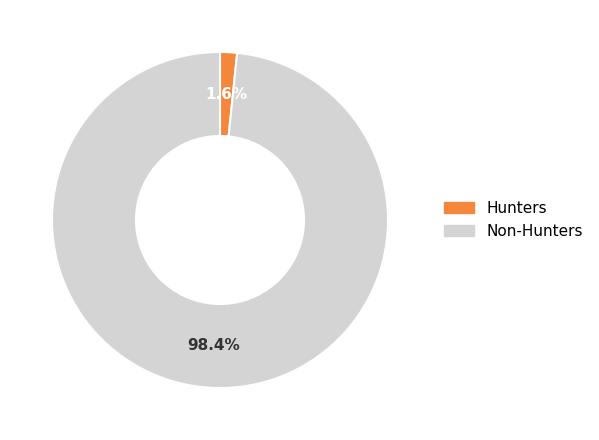
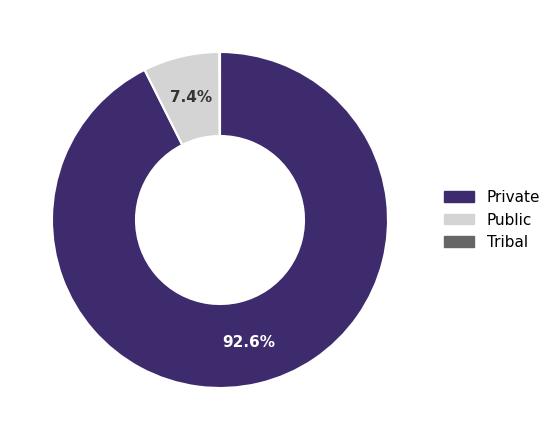
Connecticut ranks 47th among all 50 states for percentage of private land.
For the most accurate information on Connecticut Hunting Seasons, along with the state’s requirements for tag and bag limits, it’s a good idea to check with the Connecticut DNR. We’ve provided their contact information below, along with links to helpful resources, including licensing.
79 Elm Street
Hartford, CT 06106
Why limit yourself to public land when there is private land to explore.
White-tailed deer and wild turkey are the most sought-after game species in Connecticut. The state’s deer population is robust throughout its forested and suburban areas, and hunters have access to both public and private land opportunities. Wild turkey hunting has exploded in popularity since populations were reintroduced and have recovered to sustainable levels. Small game hunting for squirrel, rabbit, and pheasant rounds out Connecticut’s upland opportunities, while waterfowl hunters target ducks and geese along the Connecticut River and Long Island Sound coastline.
Connecticut’s small game hunting centers on pheasant, rabbit, and squirrel, with pheasant hunting being especially popular thanks to the state’s active stocking program. Connecticut DEEP stocks tens of thousands of ringneck pheasants annually in designated hunting areas, providing excellent early season upland hunting. Gray squirrel hunting is popular in the state’s numerous hardwood forests, and cottontail rabbit hunting is productive in brushy edges and early successional habitat.
Waterfowl hunting is an important tradition along Connecticut’s coastline, rivers, and wetlands. Long Island Sound provides opportunities for sea duck hunting, while the Connecticut River corridor is an important migration route for puddle ducks and diving ducks. Wood ducks, mallards, black ducks, and Canada geese are the most commonly hunted waterfowl species in the state.
Dove hunting was legalized in Connecticut in 2015 and has grown in popularity each year. The state also offers turkey hunting in both spring and fall seasons, with the spring gobbler season being one of the most anticipated hunting traditions in Connecticut.
White-tailed deer hunting is by far the most popular big game pursuit in Connecticut. The state has a healthy deer population, and Connecticut DEEP uses hunting as the primary tool for managing deer numbers across the state. Deer are found in virtually every town in Connecticut, and hunters have opportunities on both public state lands and private lands. Both archery and firearm seasons are available, with archery hunting being especially popular given the state’s suburban landscape.
Wild turkey was successfully reintroduced to Connecticut in the 1970s, and populations have grown to an estimated 35,000 birds statewide. Spring gobbler hunting is extremely popular, with hunters pursuing Eastern wild turkeys through Connecticut’s hardwood forests and farmland edges. A fall turkey season is also available for both archery and firearm hunters.
Black bear have been expanding their range into Connecticut from neighboring states, and the population is growing. At present, Connecticut does not have an open bear hunting season, but this may change in the future as populations continue to increase in the northwestern part of the state.
Offer hunting, fishing or camping access on selected dates. You set the activities, the price and the rules.
Connecticut offers great hunting opportunities across the state, both on public and private land. We’ve included some of the best areas for public hunting below and as we have access we’ll be adding more private land too.
Connecticut has approximately 700,000 acres of public hunting land through its state forests, wildlife management areas, and other state-owned properties. The Pachaug State Forest in eastern Connecticut is the state’s largest state forest at 27,000 acres, offering hunting for deer, turkey, small game, and waterfowl across diverse habitats. Cockaponset State Forest in central Connecticut provides another important public hunting destination.
Connecticut’s Wildlife Management Areas are managed specifically for wildlife habitat and public hunting access. These areas, ranging from a few hundred to several thousand acres, are distributed throughout the state and provide critical hunting access in areas where private land access is limited. The state’s WMA system is an important resource for hunters who don’t own or have access to private land.
The Connecticut River corridor provides important waterfowl hunting habitat, and several state-owned properties along the river offer public access for duck and goose hunting. Long Island Sound’s coastal marshes and bays support sea duck and diving duck hunting in the late season.
1. Pachaug State Forest
2. Cockaponset State Forest
3. Natchaug State Forest
4. Meshomasic State Forest
5. Housatonic Wildlife Management Area
Since a large portion of Connecticut is private land, getting access for hunting can be very appealing. When you hunt private land, it’s not only less crowded, the animals also tend to be less skittish and this means you’ll have a better day out in the field. Traditionally, accessing private land for hunting has been complicated and expensive. You either needed to join a club, hire a guide, or start knocking on doors.
Fortunately Wing It is simplifying this for hunters and outdoor enthusiasts of all types. We’re adding new land every day and if we have some in your area, you’ll see some options below.