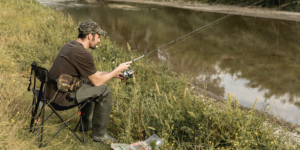
Catfishing is a widely enjoyed pastime for countless anglers across the globe. These remarkable fish are renowned for their hard-fighting, scrappy nature, which provides an exciting challenge, as well as their delicious taste, making them a popular choice among sportfishermen. Whether you are a seasoned catfish angler with years of experience or just starting your journey into the fascinating world of catfish fishing, understanding the optimal time to catch these fish by season is of paramount importance for a successful and enjoyable fishing trip. By knowing when and where to find catfish, you can maximize your chances of reeling in a magnificent catch and creating unforgettable memories on the water.
Learn about the best times for Bass Fishing
Most common catfish species
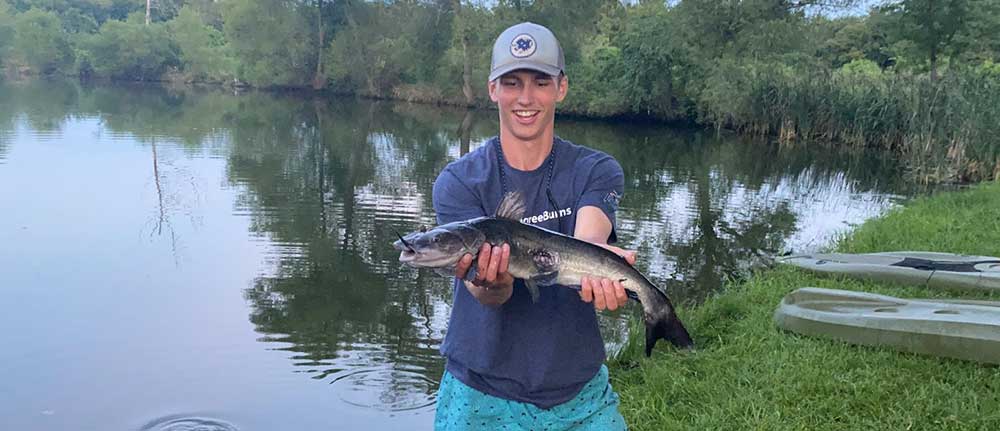
Channel Catfish
Channel catfish are the most widespread catfish species in the United States and are known for their voracious appetite. These fish can be caught using a variety of techniques, but one of the most effective methods is to use prepared catfish baits, such as stink baits, chicken liver, or shrimp. When targeting channel cats, fish near drop-offs, underwater ledges, and other structures where these fish like to congregate. The summer months are an excellent time to catch channel catfish, as they are more active during this period and can be found in greater numbers.
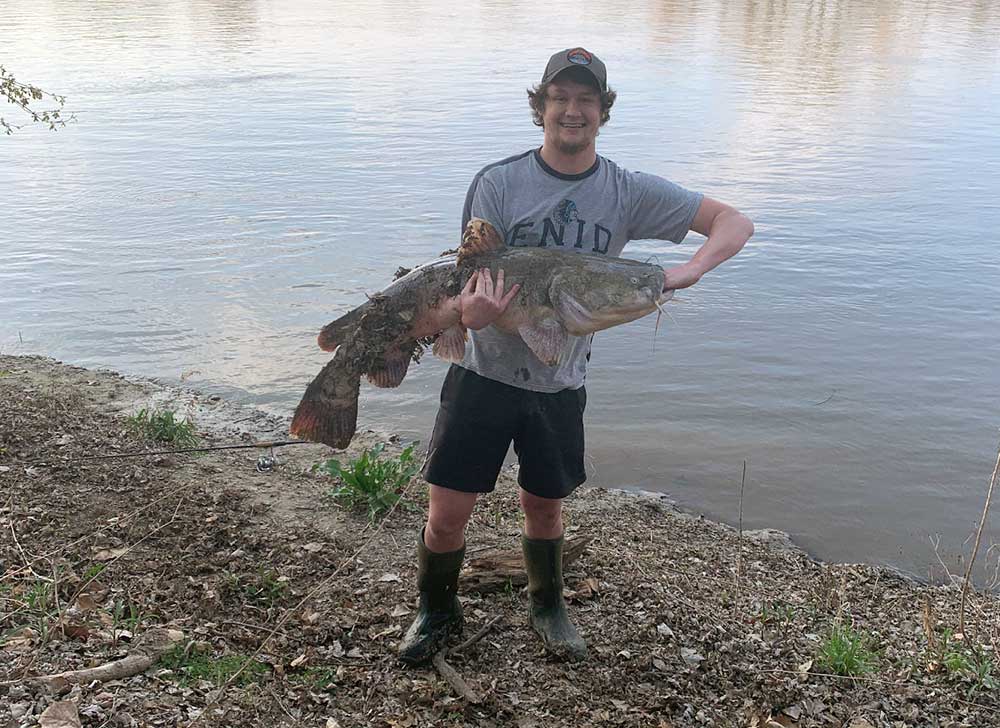
Flathead Catfish
Flathead catfish, also known as yellow or mud catfish, are a large, predatory species that can reach impressive sizes. These elusive fish love live bait, so bluegill, shad, or other small fish are recommended, as flatheads prefer live prey. Focus on fishing near structures like log jams, submerged trees, or deep holes, where flatheads are known to reside. The best time to catch flathead catfish is during the late spring and early fall, when catfish feed heavily in preparation for spawning or winter.
Blue Catfish
Blue catfish are a sought-after species known for their size and fighting ability. Anglers wanting to catch blue catfish should use fresh cut bait, such as shad or skipjack herring, as this is their preferred food source. Look for areas with deep water, strong current, and nearby structures where blue catfish can ambush their prey. Trophy blue cats are often caught during the colder months, while spring and fall offer excellent opportunities for catching numbers of smaller blue catfish.
Bullhead Catfish
Bullhead catfish are a hardy species that can thrive in various water conditions, making them a popular target for anglers. These bottom-feeders are typically smaller than other catfish species, averaging around one to two pounds. The best way to catch bullhead catfish is by using natural baits like worms, cut bait, or small live fish. Set up near underwater structures, such as submerged logs or rocky areas, as these are prime hiding spots for bullheads. Fish during the early morning or evening hours, as these fish are more active during low-light conditions.
Understanding Catfish Behavior
Catfish are widely known as opportunistic feeders, consuming nearly anything they come across in their aquatic environment. However, it’s important to note that their feeding habits and activity levels tend to fluctuate based on factors such as water temperature and seasonal changes throughout the year. Understanding these variations can provide valuable insight into the behavior and dietary preferences of catfish in different scenarios.
Temperature and Catfish Activity
Catfish are most active when the water temperature is between 70°F and 85°F. During this time, they will aggressively feed and can be found in shallower waters. When the water temperature drops below 50°F, catfish become less active and move to deeper water.
Seasonal Catfish Feeding Patterns
As the seasons change, so do the feeding patterns of catfish. This is primarily due to changes in water temperature, food availability, and their reproductive cycle. Knowing the best time to catch catfish by season will help you take advantage of these changing feeding patterns.
Spring Catfishing
Spring is a great time to catch catfish as the water temperature begins to rise.
Catfish Spawning
During spring, catfish will spawn when the water temperature reaches 70°F to 75°F. This is an excellent time to target catfish, as they will be in shallow water and aggressively feeding to prepare for spawning.
Weather Patterns and Bait Choices
Spring weather can be unpredictable, with varying temperatures and rainfall. As a result, catfish will be drawn to warmer water and food sources. Using cut bait, live bait, or prepared baits like stink bait can be highly effective during spring.
Tips for Spring Catfishing
- Fish near structures such as submerged logs, rocks, and vegetation, where catfish like to spawn.
- Monitor water temperature and focus on areas where the water is warmer.
- Use a variety of baits to find what works best in your area.
Catching Catfish in Summer
Summer is the peak season for catfishing, with long days and warm water temperatures.
Finding Catfish in Hot Temperatures
In hot temperatures, catfish will seek cooler water in deeper areas during the day. They will also be drawn to areas with higher oxygen levels, such as near water inflows, aerators, and weed beds. During early mornings and late evenings, catfish will move to shallower water to feed.
Night Fishing for Catfish
Summer nights are a prime time for catfishing. Catfish are more active and feed aggressively during the night, making it an excellent opportunity for anglers.
Tips for Summer Catfishing
- Use a fish finder to locate deeper holes and structures where catfish may be hiding during the day.
- Fish near water inflows, aerators, and weed beds to find oxygen-rich areas.
- Try night fishing for a potentially more productive and exciting experience.
Fall Catfishing
As the water temperature begins to drop in the fall, catfish will start preparing for the colder months ahead.
Catfish in Transition
During fall, catfish will be on the move, transitioning from their summer feeding grounds to deeper wintering holes. They will be feeding heavily to build up energy reserves for the winter months.
Bait Choices for Fall Catfishing
Fall is a great time to experiment with different bait options. Catfish will be more aggressive and less picky about their food choices. Live bait, cut bait, and prepared baits can all be effective during this time.
Tips for Fall Catfishing
- Target areas where catfish are likely to be feeding, such as drop-offs, channel edges, and structures.
- Be prepared to change your fishing location often as catfish will be on the move.
- Experiment with different bait options to find what works best in your area.
Winter Catfishing
Winter catfishing can be challenging, but with the right approach, you can still catch catfish during the colder months.
Cold Weather Catfish Behavior
As water temperatures drop, catfish will become less active and move to deeper water to conserve energy. They will still feed but at a much slower rate than in warmer months.
Winter Fishing Strategies
Patience and persistence are key when catfishing in the winter. Focus on deeper holes and structures where catfish are likely to be hiding. Slow down your presentation, as catfish will be less likely to chase after bait in cold water.
Tips for Winter Catfishing
- Dress appropriately for cold weather and be prepared for changing conditions.
- Use a fish finder to locate deep water structures and catfish hiding spots.
- Be patient and persistent, as catfish will be less active and feeding less frequently.
Conclusion
The best time to catch catfish by season will vary depending on several factors, including water temperature, weather conditions, and catfish behavior. Understanding these factors and adjusting your approach accordingly will help you have a successful catfishing experience year-round.
FAQ
What is the best bait for catfish?
There is no one-size-fits-all answer to this question. The best bait will depend on the season, local catfish species, and their feeding habits. Popular bait options include cut bait, live bait, and prepared baits like stink bait or dough balls.
Are catfish more active during the day or night?
Catfish are generally more active during the night, especially in the summer months. However, they can still be caught during the day, especially in the early morning and late evening when they are more likely to be feeding.
What water temperature is best for catfishing?
Catfish are most active when the water temperature is between 70°F and 85°F. However, they can still be caught in colder water, with the right approach and patience.
How deep should I fish for catfish?
The depth at which you should fish for catfish will vary depending on the season and water temperature. In warmer months, catfish can be found in shallower water, while they tend to move to deeper areas during colder months.
Can I catch catfish year-round?
Yes, it is possible to catch catfish year-round, but the techniques and locations may differ depending on the season. By understanding how catfish behavior changes throughout the year and adapting your approach accordingly, you can have a successful catfishing experience in any season.
Top Catfish Fishing Tip?
The most important tip for catfish fishing is to use fresh and appropriate bait for the species you are targeting. Catfish rely heavily on their sense of smell and taste to locate food, so using fresh, high-quality bait can significantly increase your chances of success. For channel catfish, try using prepared baits, such as stink baits, chicken liver, or shrimp. For blue catfish, fresh cut bait like shad or skipjack herring is highly effective. When targeting flathead catfish, live bait such as bluegill or other small fish is recommended. By using the right catfish bait for the species you are pursuing, you will maximize your chances of attracting and catching catfish in various conditions and environments.